Gym to Crag
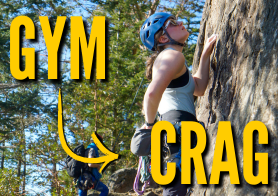
Ready to make the jump from plastic holds to rock? This is the course for you. Our guides will teach you all you need to know to safely spend a day cragging outside.
You'll learn:
- Anchor building
- Anchor cleaning
- Using resources such as guidebooks and apps
- Recognize hazards and risk management in the outdoors
Duration: 10 hours split over 2 days.
Day 1: 4 hours spent in the gym learning and practicing anchor building and cleaning
Day 2: 6 hours spent climbing at Mt Erie, practicing the skills we learned the day before and gaining confidence in the outdoors.
Booking closes 48 hours before the start of the first session.
Duration: 10 hours of 2 days
Day 1: 4pm - 8pm
Day 2: ~12pm - 6pm
Ratio: 4:1 student to guide ratio, 2 participant minimum
Location: Endurance Climbing Gym, Burlington. Mt Erie, Anacortes.
Course Requirements:
- Must be lead certified at Endurance or able to pass a lead test prior to the start of the first course. (If you have not lead climbed at Endurance but have experience lead climbing, please come 30 minutes prior to the first day start time to pass a lead test)
- Must be able to lead 5.9 in a gym comfortably
*To lead at Endurance, you must be 16 years of age or older
Weather: Weather is always changing and sometimes will rain us out of a day climbing. If this happens, we'll reschedule you into a later session if we believe it will be too wet or uncomfortable to climb. We hope to hold the course at our assigned location, and we also reserve the right to change locations due to factors outside out control including: weather, wildfire, smoke, crowding.
Custom Courses or Day Trips
Curious about other ways to get outside? Contact us at gym@enduranceclimbing.com to explore other options.
| Su | Mo | Tu | We | Th | Fr | Sa |
|---|---|---|---|---|---|---|
30 | 31 | 1 | 2 | 3 | 4 | 5 |
6 | 7 | 8 | 9 | 10 | 11 | 12 |
13 | 14 | 15 | 16 16 | 17 | 18 | 19 |
20 | 21 | 22 | 23 | 24 | 25 | 26 |
27 | 28 | 29 | 30 | 1 | 2 | 3 |